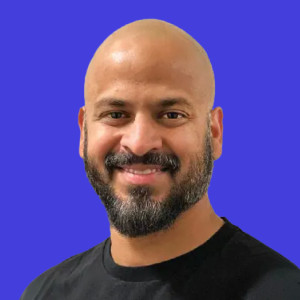
Select Highlights of the Interview with Felix from India
EB-5 Investor in the EB5AN Snake River Rural EB-5 Project
- I wanted to make sure that I could give my kids the benefit of the EB-5 immediately, because my eldest one, she’s going to be going to university this year. Rural TEA obviously gave me that opportunity—this year when she moves over to university, she already has her EAD and her AP approved and 526 approved. We are just waiting for her conditional Green Card to arrive.
- if you have determined that the EB-5 program is your pathway for your permanent residency, I would say don’t delay—act quickly because of potential changes. One benefit is that you can begin the process with a partial investment and commit to funding, which is exactly what I did.
- It was important that for my EB-5 project to have rural TEA designation. Rural TEAs are prioritized over some of the other projects. That’s what I wanted to focus on. The developer had to be reputable. If possible, the exemplar approval for the project, that was important as well. And the job creation obviously.
Full Interview with Felix from India
EB-5 Investor in the EB5AN Snake River Rural EB-5 Project
Transcript of the Interview with Felix from India
Investor Background and Exploring Visa Options
Hi, everyone. This is Sam Silverman, managing partner of EB5AN. Thank you for taking time to join us on today’s webinar. Today we’re going to be discussing our Snake River Sporting Club rural EB-5 project, and we’ll be speaking with Felix, an EB-5 investor who recently joined the Snake River Project.
Yeah. Sure, I can. I’m Felix Francis. I moved to the United States from Canada in 2017 for a professional opportunity. So it was work which brought me basically here, and the work aligned with my career goals. So I came over in 2017—August, I believe—and then my family joined me in 2019. And I’m in the biopharmaceutical sector or industry that I’m working in.
Attorney Selection and Documentation Process
And once you had exposure in the United States and you decided you wanted to stay long term, were there other visas you considered other than EB-5, and what kind of led you to decide to pursue EB-5?
I had a chat with my wife—that was back in 2019 I guess—and I checked with her whether she would be interested in moving as well, because initially she thought I might be moving back maybe within a short period of time after I complete my project here. But then she was quite happy to know that things are moving well with me here. She applied for some jobs as she started exploring some professional opportunities in the greater Boston area. She’s in the life sciences industry as well, so she quickly found a role, which was an excellent fit. So she moved in here as well.
So being Canadians, we have a bit of an advantage here that we could utilize the USMCA treaty, or previously called as NAFTA. And under that, we have the TN visas, which is what we both applied for, and that’s what we used for the initial six years to work here. And other than TN, I did consider H-1B as a potential option.
Project Evaluation, Investment Experience, and Advice
All right, so once you’d kind of evaluated TN, H-1B, etc., and decided EB-5 was going to be the best fit for you and your family, what was your experience like searching for a qualified EB-5 attorney to help with your application? How many attorneys did you talk to? Who did you end up hiring and why?
I kind of knew what exactly I wanted to do. As I mentioned, I explored the H-1 opportunity, but I thought that was going to take some time. By the time I started exploring H-1, I think there were approximately like 800,000 applications coming in for the lottery. So I was like, “That’s not going to be helpful here.” So I focused my attention right away for EB-5, and then that’s how I proceeded with these attorneys.
Working with EB5AN
Once you’d finalized which attorney, how long did it take for you to get through the source of funds documentation process, and what was that like working with that attorney to get all your records assembled?
I would credit EB5AN here. I had been regularly watching the videos that you guys upload, reading the blogs that you’ve been publishing. Those are excellent sources of information and helped me prepare in advance actually.
Once I finalized my engagement, as I mentioned, with Fred, I don’t think it took more than four to five weeks to gather and submit all the required documentation for review. And since all my funds were sourced from Canada and the U.S., I had already maintained detailed records and receipts, which made the process significantly smoother, I would say. And Fred and his team were efficient in reviewing the documentation, providing timely feedback. I would say well within two months from the time we signed the contract to the time we submitted all the documents. I would say, yeah, two months.
Having just gone through that whole source of funds process working with an immigration attorney, what are some advice, pointers that you would have for another similarly placed investor who’s considering hiring an attorney? What should they really be looking for and thinking about with that process?
I would say consult multiple attorneys. Compare their responsiveness, their level of engagement, etc.
Most importantly, I would say evaluate your risk from a few aspects in terms of source of funds and documentation that you would be providing. What’s the level of understanding of the attorneys in relation to the tax codes? It’s not that they need to know the complete tax codes or anything, but they should have been exposed to those things so that they understand what’s in there. Also risk from the perspective of what do you want to choose—do you want to choose rural versus urban and why do you want to choose that, timelines associated with each of these processes, and whether you’re interested more in just getting your EAD and getting your AP approved or you’re okay with urban where you would still get your EAD and AP but maybe not your Green Card as quickly as possible because your kids probably are already Green Card holders, so you have some time or you have a runway there.
I would suggest prepare some set of questions for sure—so just watching the videos, which I did, uploaded by EB5AN on what to ask. And ask for reference if available, I would say.
Let’s shift gears a little bit and talk a little bit first about EB-5 regional centers. So before even getting to specific projects, can you tell us a little bit about your experience interacting and evaluating potential regional centers to invest with? What were some of the key differences and things that you experienced as part of your research?
And then I was looking at other regional centers at the same time, but one of the things which stood out was that I found that some of the other regional centers, they were not as clear or consistent in their communication. Some regional centers marketed themselves as even offering boutique, personalized services, but they lacked the track record to substantiate their claims basically.
What else did I do? I think once I’d gotten used to you guys, when I started reading up stuff and attending webinars, I was kind of clear as to why I was steering towards EB5AN. Also, the variety of projects or the options that were available, ranging from rural TEA to urban TEA investments, some of them were quite tailor-made opportunities, I would say. And it was fitting my immigration strategy, so I thought I would go with EB5AN.
All right, so once you’d kind of gotten comfortable with a particular regional center—in this case EB5AN—tell us a little bit about what your approach was in terms of selecting an EB-5 investment project. What were some of the key factors that were most important to you as you evaluated different projects, and how did that lead you to selecting Snake River?
Another important aspect was shortest capital engagement term, for example. I was focused on selecting a project where the capital commitment timeline, etc., was shortest but still met the USCIS requirements.
The developer had to be reputable. If possible, the exemplar approval for the project, that was important as well. And the job creation obviously—that’s the central point—so whether these projects had the job creation as they claimed done. These were some of the key things that I was focusing on.
This was way back in July, and at that time, I think Snake River, you guys had just submitted the documentation for the Snake River project. There was no exemplar approval at the point, but it met the majority of other key factors that I was looking at. I wanted to make sure that the money that I would be investing, it was promptly put to work, ensuring the loan term began early. So for the rural project of Snake River, I found out that that was perfect. That fit the bill. So that was one of the reasons I went with the Snake River rural project.
And how did the rural TEA versus urban … What was critical for you in terms of deciding between urban versus rural?
And rural TEA obviously gave me that opportunity over urban. And that did really help us, because this year when she moves over to university, she already has her EAD and her AP approved and 526 approved. We are just waiting for her conditional Green Card to arrive. So this gives her a better picture. It’s more secure for her at this point in time.
And so when you joined the project originally, it did not have the 956F approval, but now obviously it has received the 956F approval, and your personal form I-526E has also been approved, correct?
And how long roughly did it take for your I-526E to be approved once you filed?
How did the Snake River project’s job creation factor into your decision to join the project? Was that an important factor as you were considering different projects?
The Snake River project I think met this criteria. The information brochure that was provided clearly listed what all has been achieved and what the plan was, the loan term and everything and how long the project is going to be. And knowing that the job creation targets were already met significantly reduced the risk, and that added confidence to my choice.
And so stepping back from the project, what was it like working with the EB5AN team? What went smoothly? What could have been improved? How was your experience post deciding on the Snake River project of just executing everything and getting everything filed?
Also, each team member thereafter, after the initial meetings with you for documentation purposes and for transfer of money to the escrow account and such, every team member I interacted with, they were aligned with your organization’s goal, demonstrated prompt, professional communication. I was really happy.
Great, great. We like to hear that. All right, so you’ve made the investment. The project’s received its 956F approval. Your individual application got approved in eight to nine months. Everything’s gone smoothly so far. What advice would you have for other investors potentially considering the EB-5 program having just kind of gone through it yourself successfully?
One benefit is that you can begin the process with a partial investment and commit to funding, which is exactly what I did. The balance could be done within a reasonable timeframe. I did take benefit of that opportunity.
And then I would say conduct research. Compare multiple EB-5 regional centers. Look at their history, transparency. Approval track record is very important, I would say. Investor testimonials. Select the project that aligns with your individual priorities. For instance, some may prioritize shorter capital commitment or better financial results. In my case, selecting a rural TEA project made the most sense due to priority processing and lower investment thresholds.
This journey definitely lasts several years, and things can change. As of now, USCIS seems to be operating relatively close to published timelines, which presents an opportunity window that may not last, I’m assuming. It’s important to spend time selecting the right immigration attorney, the right regional center. They’re your key partners in navigating this complex process. So yeah, those are important things to consider, I would say.
All right, and looking back again, would you recommend your EB-5 attorney and EB5AN for other investors considering EB-5 and why?
As I’ve mentioned, I went through a selection process where I interviewed multiple different immigration attorneys. Everyone was great. I could have worked with either of them, especially the ones you had recommended. But it was very specific to my needs that I chose Fred.
When it comes to EB5AN partners, certainly the choice of projects that you guys offer is definitely enormous. You can pick and choose where you want to put your money in. The security associated with EB5AN, the track record for sure, and the service in terms of people helping you out with documentation or any other requirement—I would certainly recommend.